
Equipment Installation:
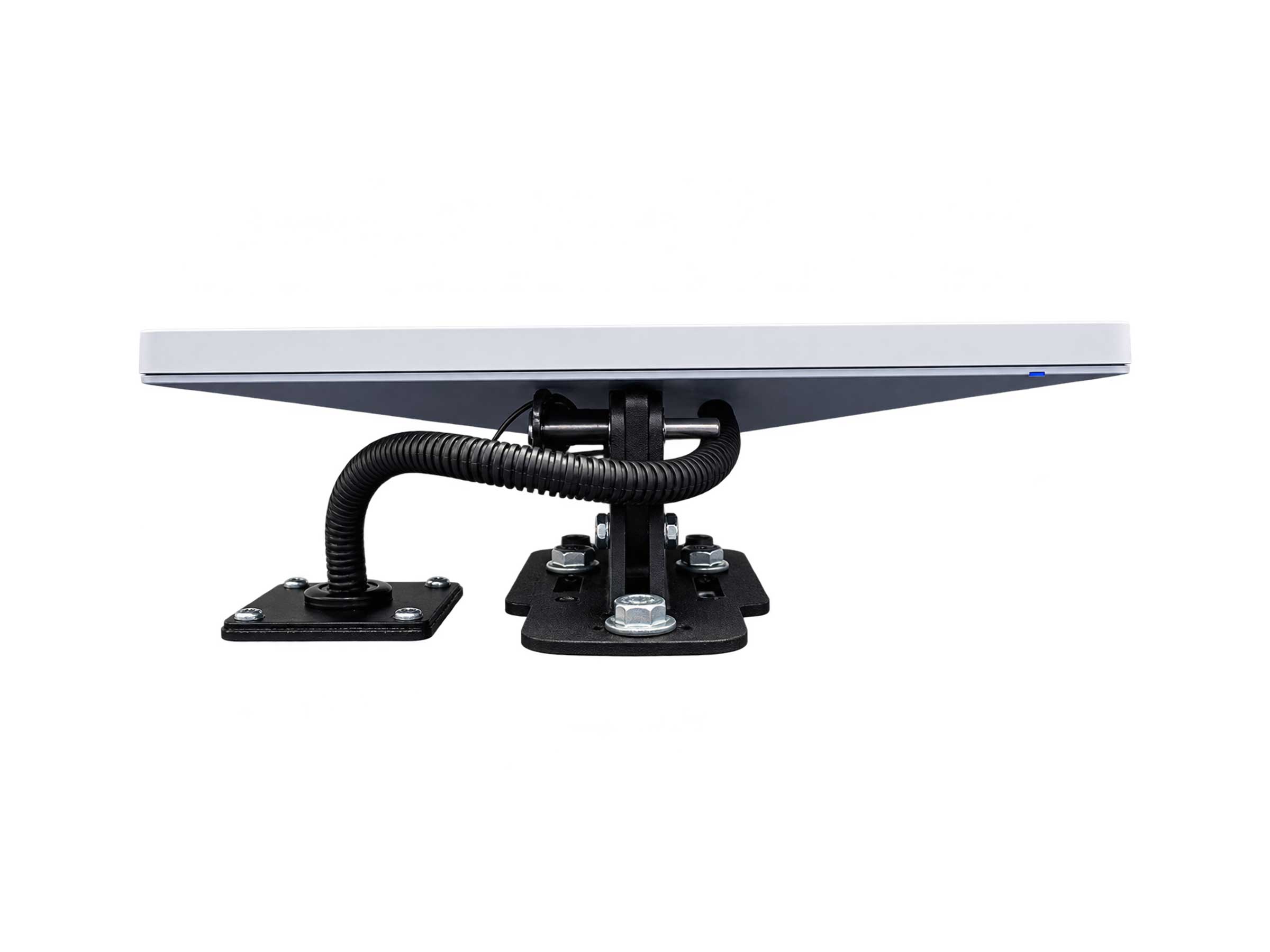
Starlink Kit
We order and supply all necessary products for installation.
vehicle information:
Toyota Land Cruiser 70 Series
YEAR:
2026

We order and supply all necessary products for installation.
Travelling in remote areas often means facing communication problems. Outside major towns, cell service is unreliable so drivers can lose access to navigation, weather updates, or emergency contacts. Portable satellite gear usually needs to be set up each time, which slows down long trips.
Exposed wiring on temporary setups creates significant snag risks when driving through overgrown tracks. Unsecured hardware inside the cabin takes up valuable cargo space and risks damage during rough travel. Harsh off-road vibration can cause temporary suction mounts to detach, while unsealed roof penetrations can lead to severe water ingress during heavy rainfall or river crossings.
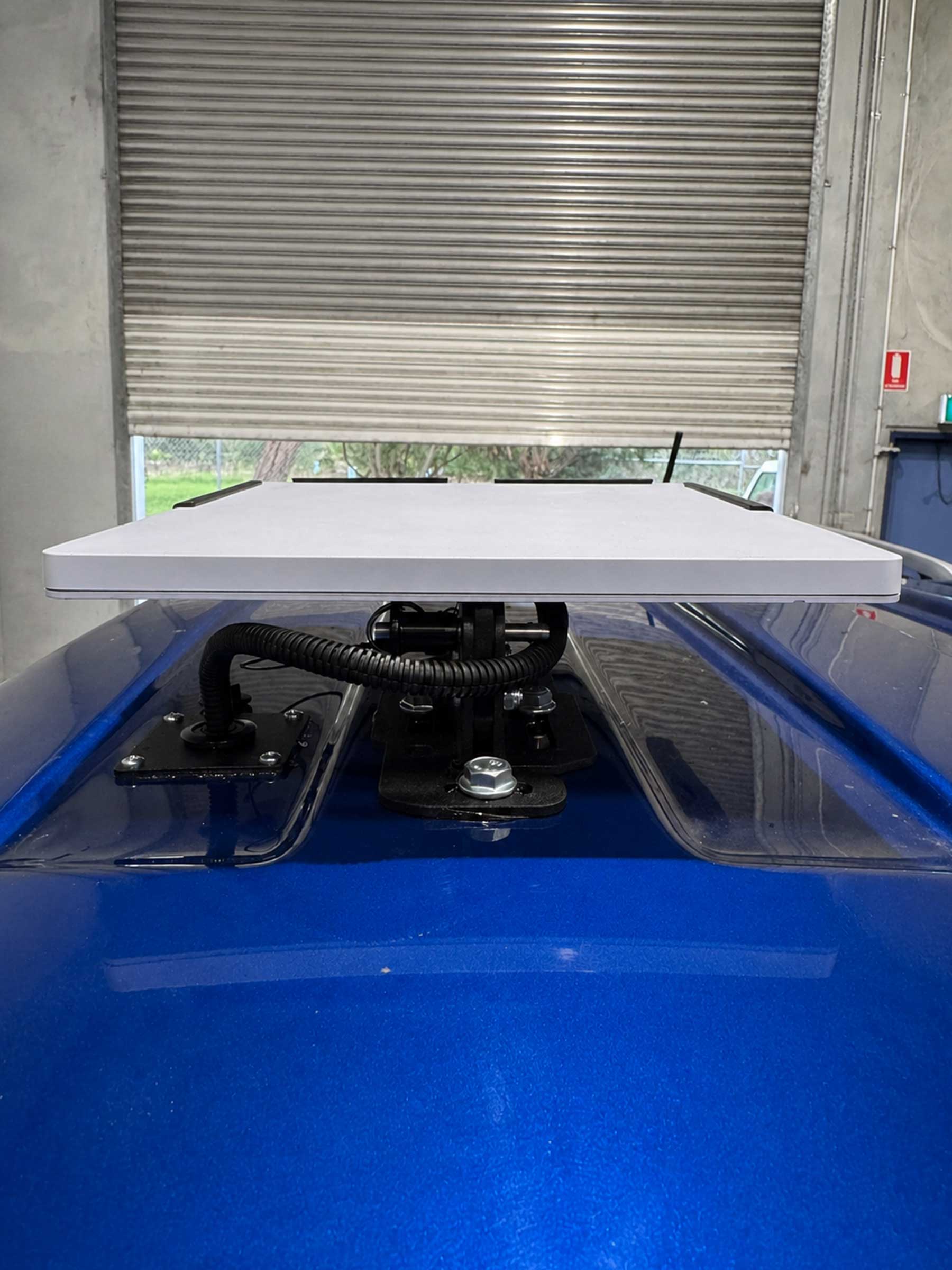
A permanent vehicle mount resolves satellite connectivity issues in remote locations by integrating hardware directly into the vehicle structure. Secure mounting hardware keeps the unit flush against the roof panel. This low-profile placement reduces wind resistance, lowers overhead clearance hazards, and eliminates setup time when you reach a campsite. A heavy-duty roof gland seals the entry point to protect internal electronics against environmental elements. Internal power wiring routes beneath the headliner straight into the secondary electrical circuit.
Professional installation by experienced technicians is imperative to maintain vehicle safety and compliance. Qualified fitters protect structural integrity when drilling into roof panels and apply proper corrosion inhibitors to raw metal edges. Specialised installation practices prevent water leaks, secure wiring against electrical shorts, and protect factory vehicle warranties. Correct installation methods also ensure that aftermarket accessories adhere strictly to Australian road safety standards.
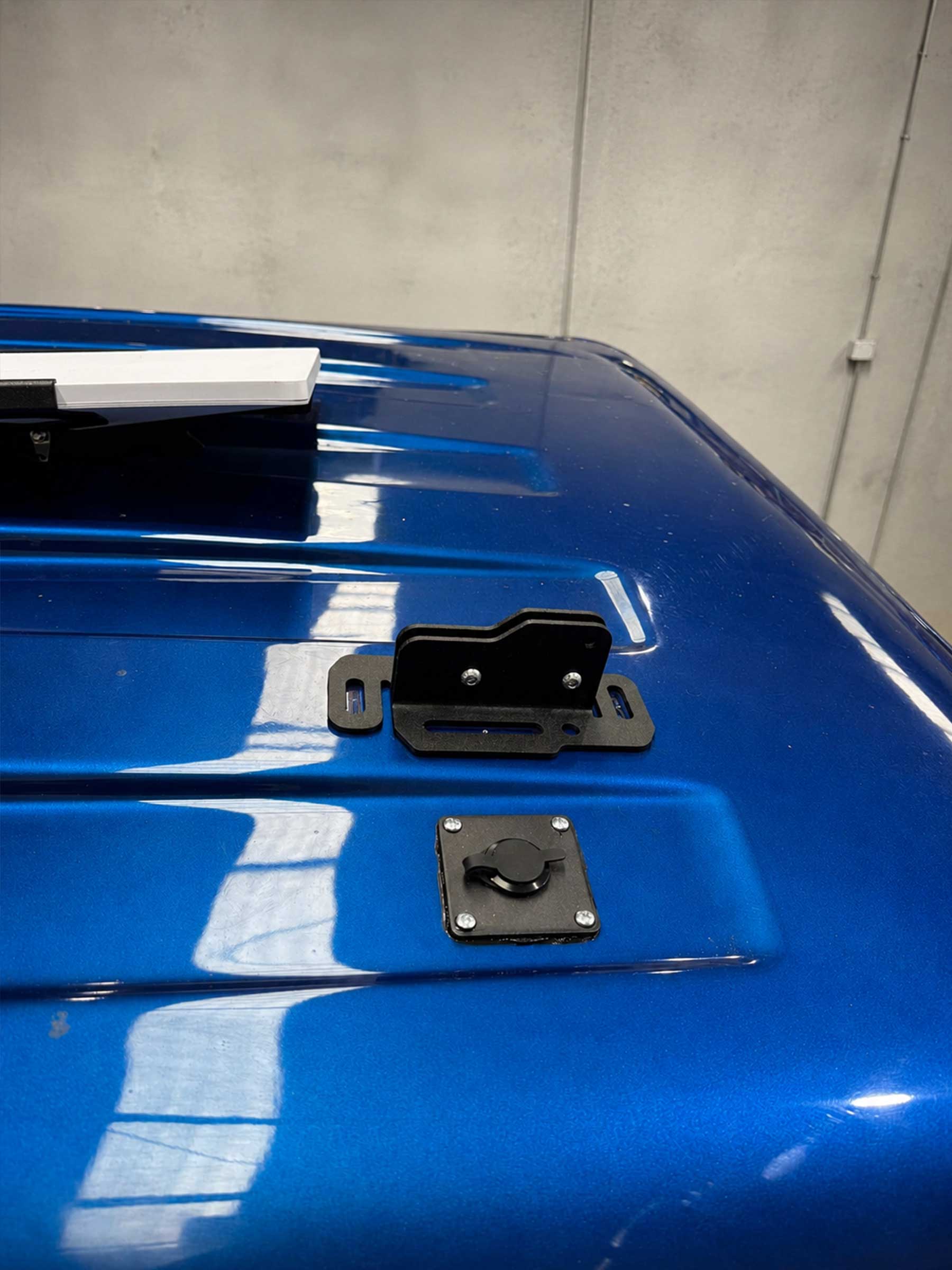
Technicians at Adventure Additions assessed the roof profile of the 2026 Toyota Land Cruiser 70 Series to select an optimal mounting location free from structural obstructions. The team marked precise positioning points for both the bracket fasteners and the main cable entry port. Installers carefully drilled structural access points through the sheet metal and immediately treated raw edges with anti-corrosion primer.
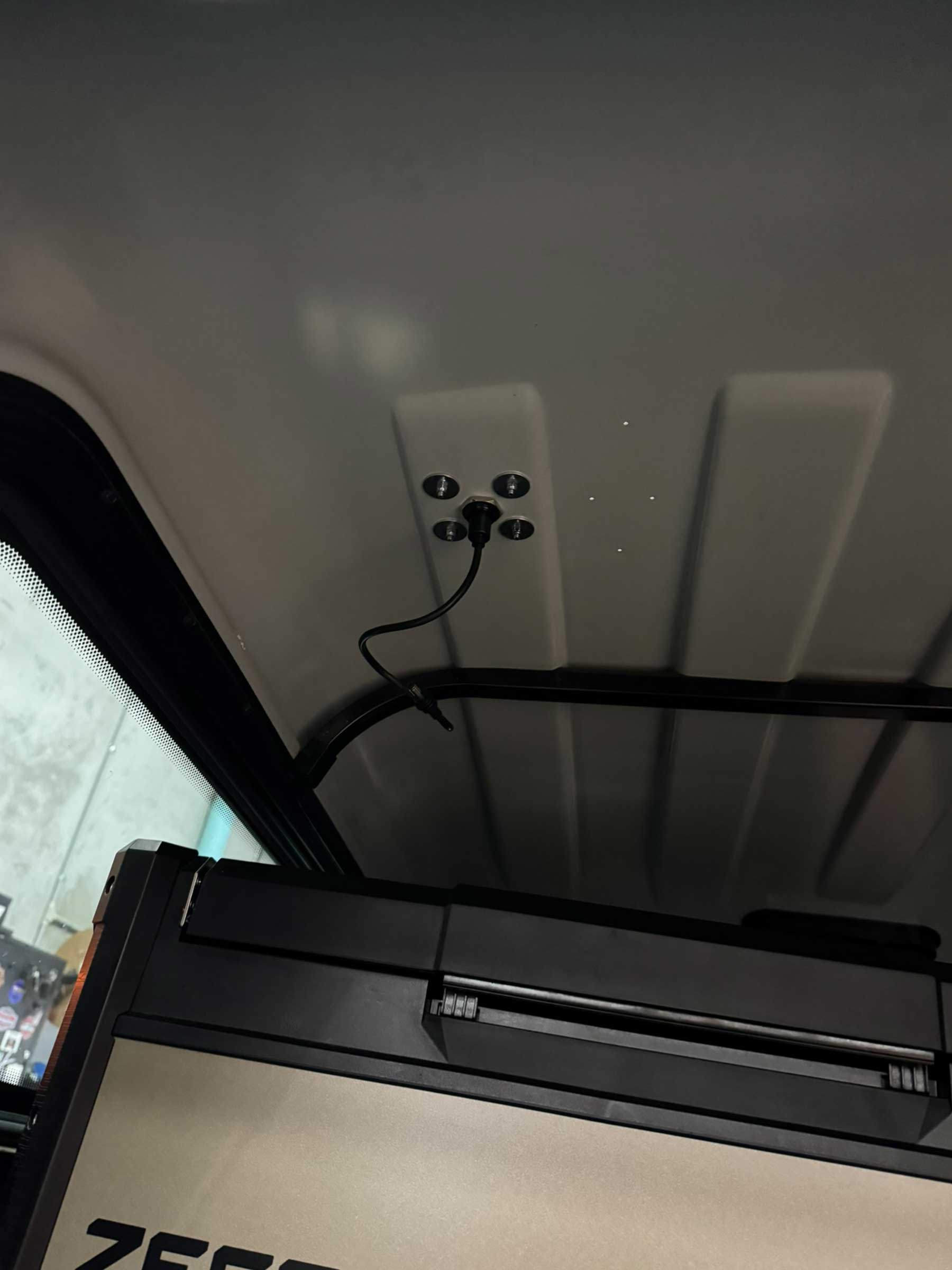
The team installed an internal metal backing plate beneath the roof structure to distribute clamping loads evenly and prevent metal flexing over time. Fitters secured the custom exterior base bracket using corrosion-resistant fasteners. A heavy-duty waterproof cable gland was fitted over the entry hole, along with automotive-grade sealant.
Technicians routed the primary data and power cabling through protective split conduit into the interior cabin. The internal wiring was neatly concealed behind the headliner and interior pillars down to a dedicated auxiliary power source. The dish assembly was bolted securely into the fixed bracket. Finally, technicians completed system startup checks and verified the total seal with a high-pressure water test.
The 2026 Toyota Land Cruiser 70 Series features a fully integrated flat-mount satellite internet system. The low-profile roof bracket withstands strong highway wind resistance and severe off-road vibration. The weather-sealed roof gland prevents moisture ingress under extreme weather conditions.
The system powers on directly through the vehicle electrical circuit, eliminating loose power cords inside the cabin. All interior wiring remains hidden behind factory trim panels to preserve passenger space. The completed setup provides reliable off-grid broadband communication across remote Australian locations.

Automated page speed optimizations for fast site performance


